Meet the Team
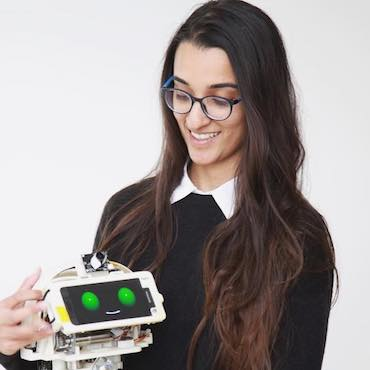
Safinah Ali is an Assistant Professor at NYU Steinhardt in the Department of Administration Leadership and Technology. Before her appointment at NYU, she earned her PhD from the Massachusetts Institute of Technology, where she was part of the Personal Robots Group at the MIT Media Lab. Her research focuses on studying how young children interact with AI and how it affects their creativity. She designs and analyzes technologies that foster creative learning, developing child-robot interactions to enhance behavioral traits such as curiosity, creativity, and a growth mindset. She also creates inclusive creative AI literacy curricula and teaching materials for K-12 students and teachers. She enjoys making art, games, and robots, and teaches K-12 students about robotics and game development.
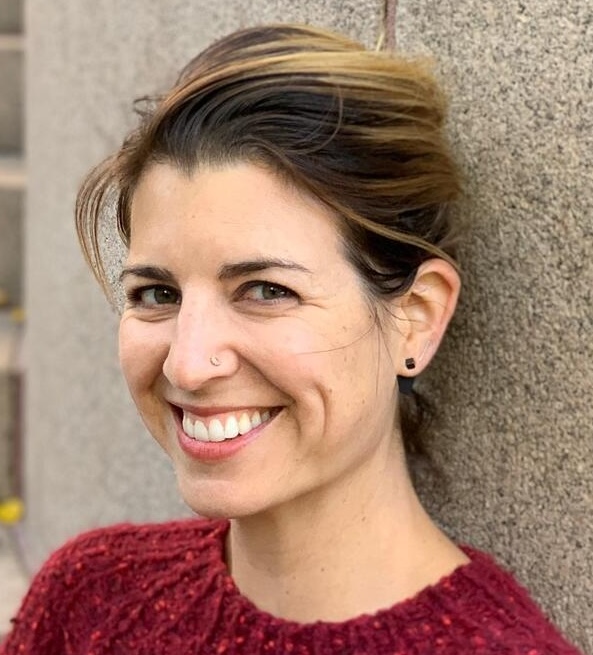
Angela Calabrese Barton, PhD, is a professor in and chair of Educational Studies at the University of Michigan. Her research focuses on issues of equity and justice in STEM education in both school and community settings. She has also designed and taught after school and community-based STEM for over two decades in homeless shelters and community organizations in different cities in the US. She takes a participatory design approach to all of her work, bringing in youth participants, parents, teachers and community staff in collaborating on program design. She is an elected member of the National Academy of Education and a Fellow of the AAAS and of AERA. She has also served as a WT Grant Foundation Distinguished Fellow.
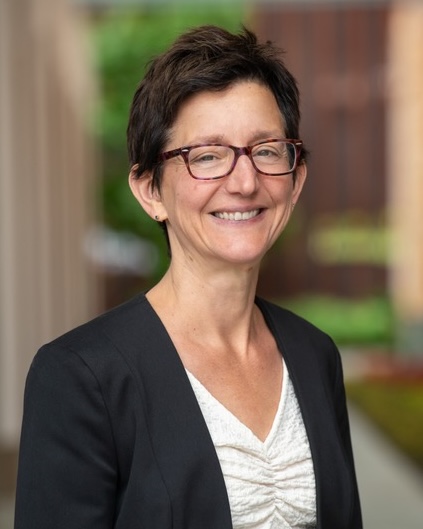
Dr. Chaffee is a Senior Education Researcher in Education Research and Evaluation at AMNH. She was a Scandling Scholar at the Warner School of Education and Human Development at the University of Rochester where she completed her Ph.D. in Education with a focus on science education and gender studies. Her research focuses on the potential ways that informal learning environments can shape youth’s interest in and pursuit of STEM college degrees and careers. In addition to research, Dr. Chaffee has 12 years of teaching and administrative experience in higher education at both the graduate and undergraduate level.
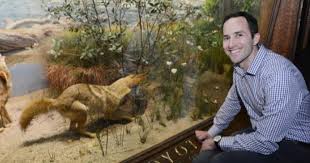
Devin D’Agostino is the Learning Labs Project Manager at AMNH, overseeing the operation of the Museum’s hands-on, public-facing learning spaces. Devin draws upon his experiences as a classroom teacher, museum educator, and lab researcher to design and share authentic and meaningful science learning experiences. He holds a Master of Arts in Teaching, as well as bachelor’s degrees in Neuroscience and Philosophy. Outside his work in education, Devin pursues his lifelong passion for paleontology conducting research at the Museum!
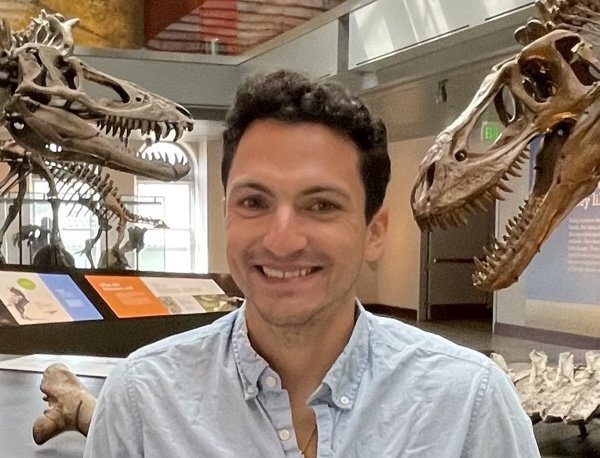
Jemima Georges is a zooarchaeologist who studies human-animal interactions in the Maya region. She analyzes patterns in animal distribution to understand how ancestral Maya societies utilized animals and how these practices evolved within shifting political landscapes. Her research focuses on Maya ancestral communities in Guatemala, where she has conducted fieldwork. She earned her PhD from the Graduate Center and has presented her work at the Society for American Archaeology. In addition to her research, Jemima manages the Science Research Mentoring Program (SRMP), overseeing daily operations and supporting both mentors and students. She has collaborated with colleagues at the American Museum of Natural History (AMNH) and MIT to develop enriching STEM experiences for students. She has also presented her work with SRMP students at the Metcalf Institute Inclusive SciComm Symposium in Rhode Island and the STEM Push Network Convening in Pittsburgh.
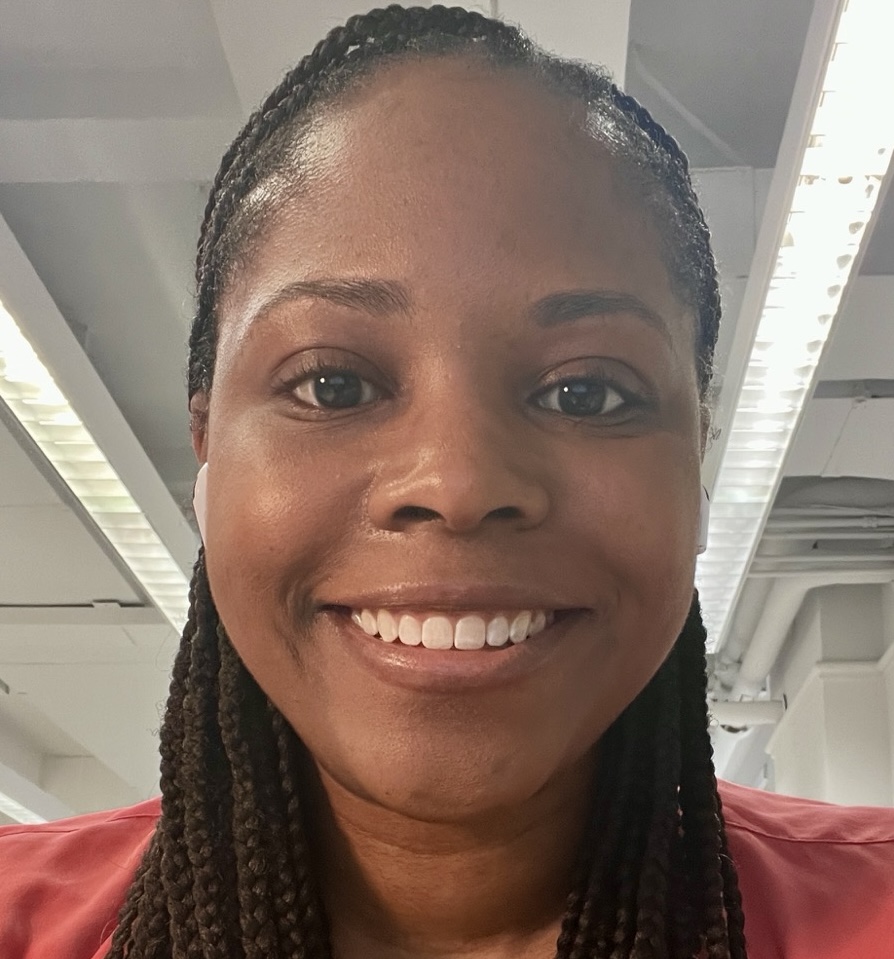
Dr. Preeti Gupta, Senior Director for Children, Family and Youth Programs, is responsible for strategic planning and program development for out of school time children, family and youth initiatives at the American Museum of Natural History. She leads a research agenda centered on youth learning and serves as faculty for the Masters of Arts in Teaching program for Earth Science teachers. She is also co-editor of the Journal of Museum Education. Prior to this she was serving as Senior Vice President for Education and Family Programs at the New York Hall of Science. In that role, she led the internationally replicated Science Career Ladder Program, key initiatives in school change, teacher professional development, and family programs. She has a Bachelor’s Degree in Bioengineering from Columbia University, a Master’s Degree in Education from The George Washington University and a doctoral degree in Urban Education from the City University of New York Graduate Center.
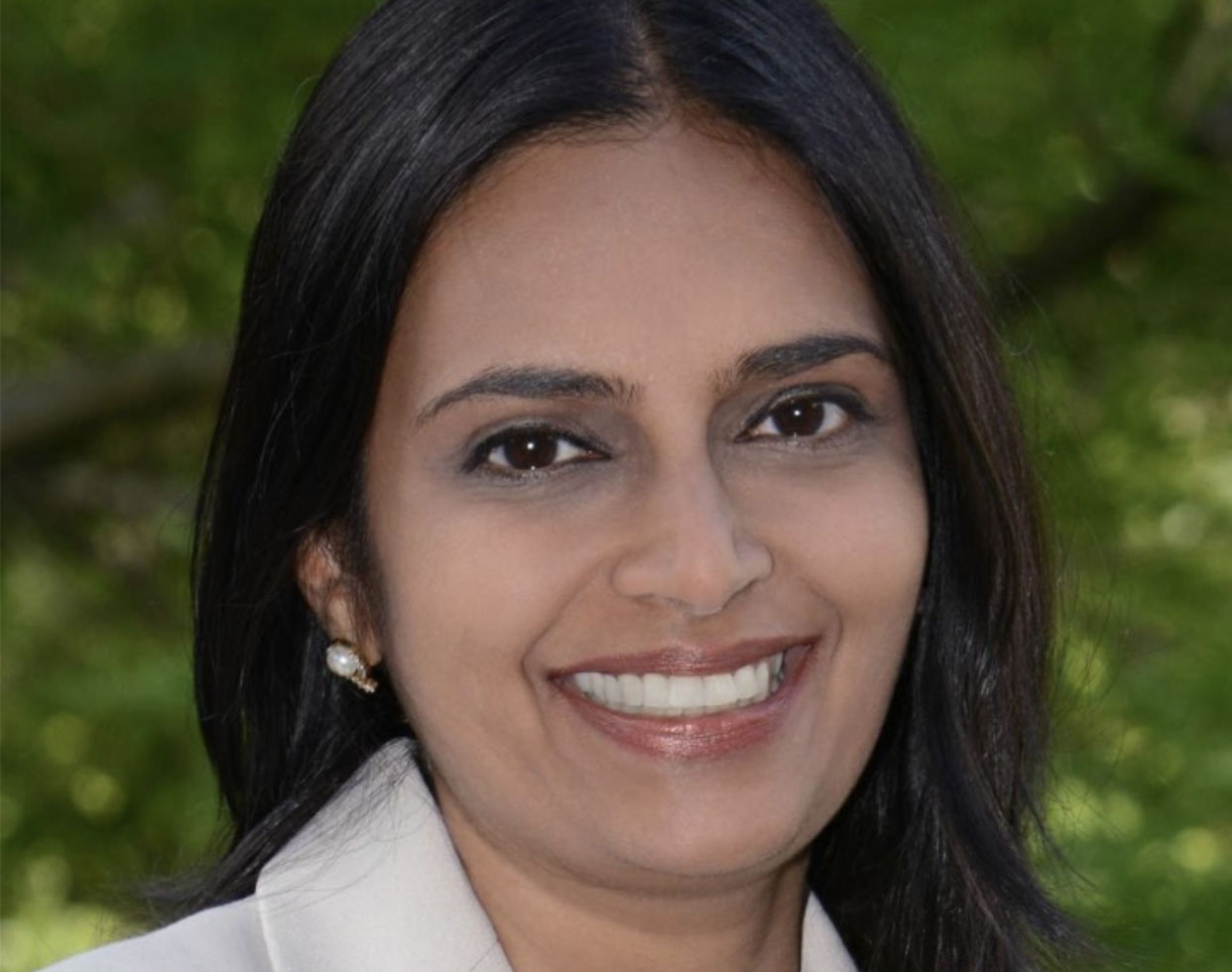
Irene Lee is a Research Scientist at MIT and a Distinguished Scholar at Education Development Center. She leads a body of research on AI Literacy and on the integration of computational thinking in K12 education. She also advises numerous AI education and CT integration efforts including American Museum of Natural History's DecodeNYC and SRMPmachine projects, the AI4K12 initiative, Kapor Foundation’s Responsible AI and Technology Justice advisory board, and the Computer Science Teachers Association. Lee received a bachelor’s degree in Pure Mathematics from the University of Chicago and a M.Ed. in Technology in Education from the Harvard Graduate School of Education.
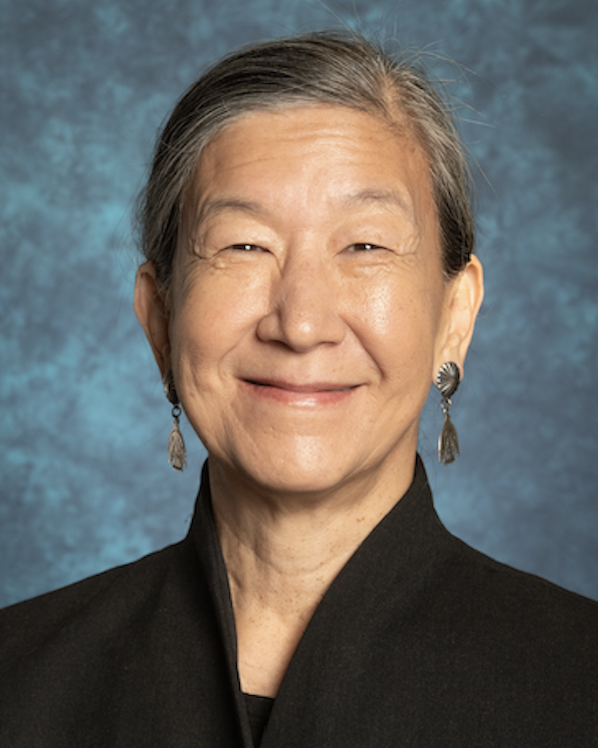
Kate Moore is a Research Scientist at the MIT Scheller Teacher Education Program (STEP), where she studies how to teach middle and high school students and their teachers about systems and ethics of artificial intelligence and machine learning. Kate earned her doctoral degree at Teachers College, Columbia University, where she studied cooperative learning and collaborative problem solving, and worked part-time as a professional development coach for STEM teachers in New York City public schools with the Center for the Professional Education of Teachers (CPET). Before entering the world of research and design, Kate served as a middle school science and special education teacher for 10 years. She has worked in public, independent, and charter schools in New York City NY, Newark NJ, and Pittsburgh PA.
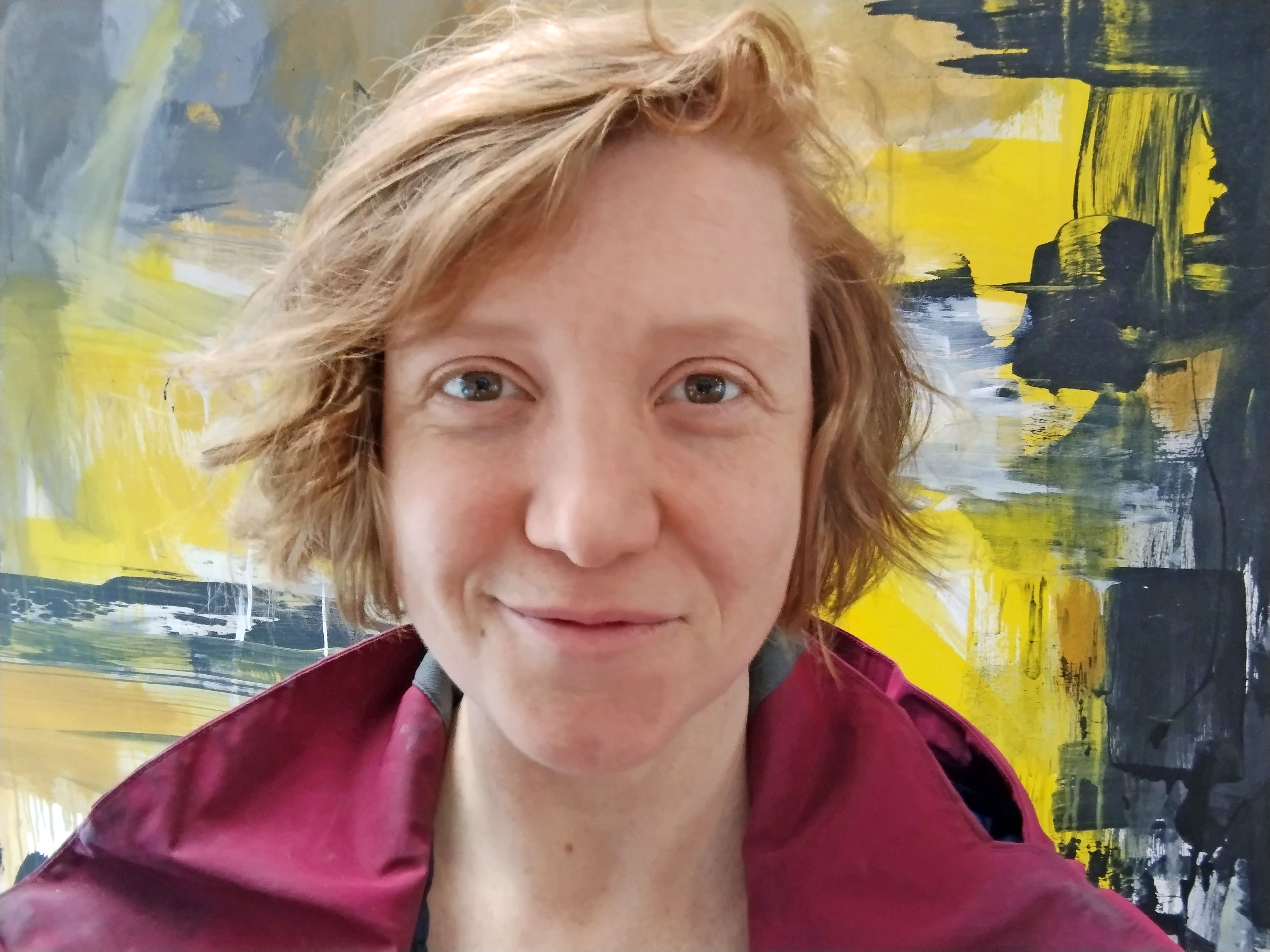
Alex Perez, M.S.Ed. is the Manager of Education Initiatives: Data Science and Computational Thinking at AMNH. With over six years of experience teaching math and technology electives to diverse audiences and a strong background in full-stack development, Alex has taught and developed courses in physical computing and coding. Currently, Alex leads the development and instruction of computationally intensive natural science courses at AMNH and is spearheading a workforce development initiative focused on using extended reality tools to engage museum audiences.
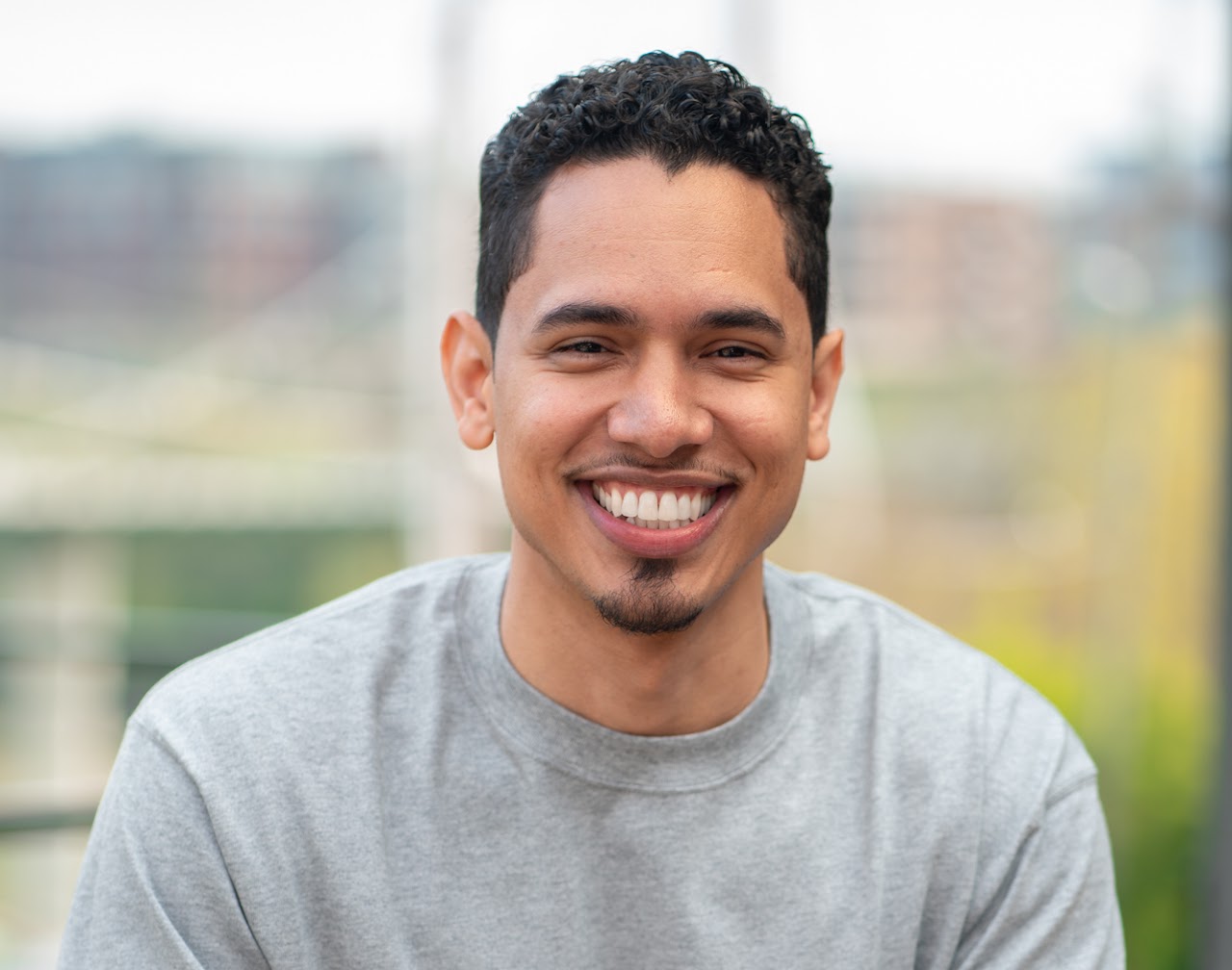
Sofia Schembari is a Life Science Educator at AMNH, and has taught in the Science Research Mentoring Program Summer Institute for the past two years. Before joining the museum, Sofia taught sixth and eighth grade science in Brooklyn. She holds a Master of Arts in Teaching degree from New York University and a Bachelor’s degree in Ecology and Evolutionary Biology from Columbia University, and she has previously conducted primatology research and field work in Kenya and Costa Rica. Sofia enjoys combining her passions for science education and ecology through her work at AMNH.
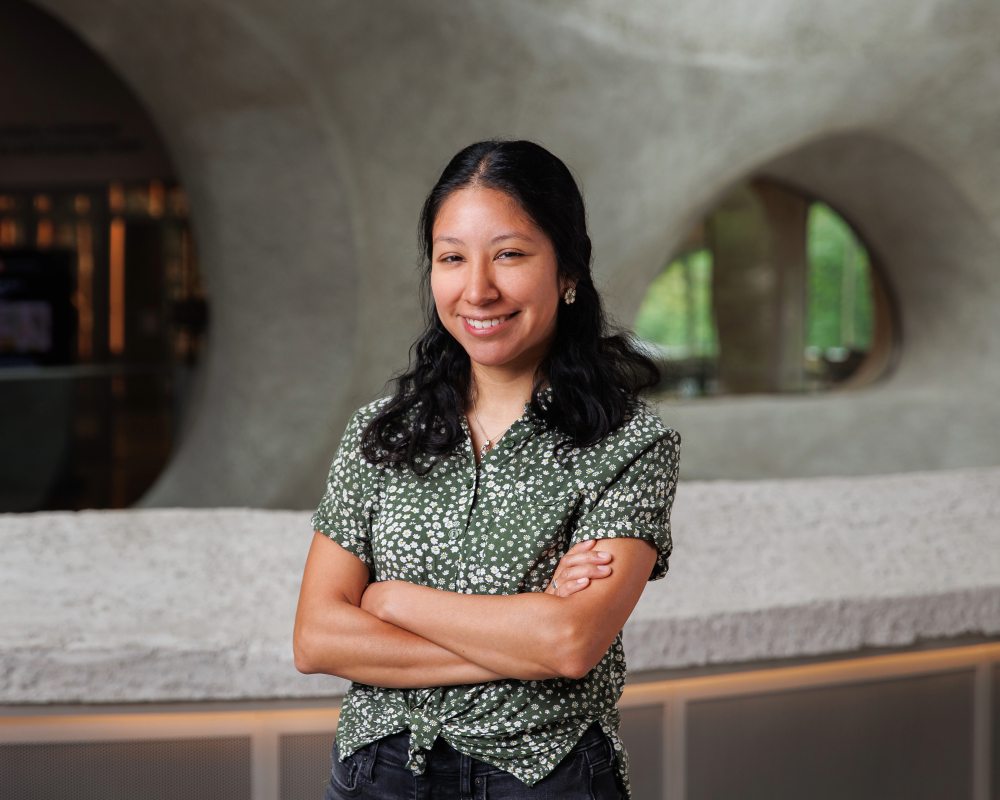
Dr. Mark Weckel is the Director of Youth Initiatives at AMNH where he also holds an affiliated position with the Center for Biodiversity and Conservation. His 25+ years of experience managing interdisciplinary teams and designing public engagement strategies will ensure effective communication of the technology’s societal impact and support for STEM workforce development.